Ceramic Focus Magazine

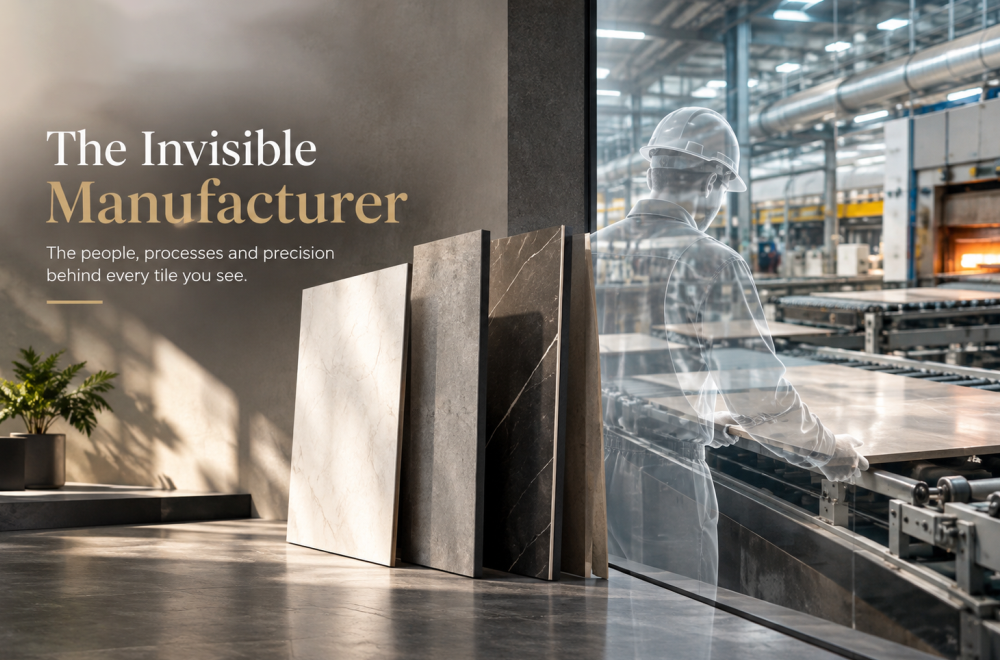
The Invisible Manufacturer

Why Great Ceramic Companies Still Get Missed by Global Buyers

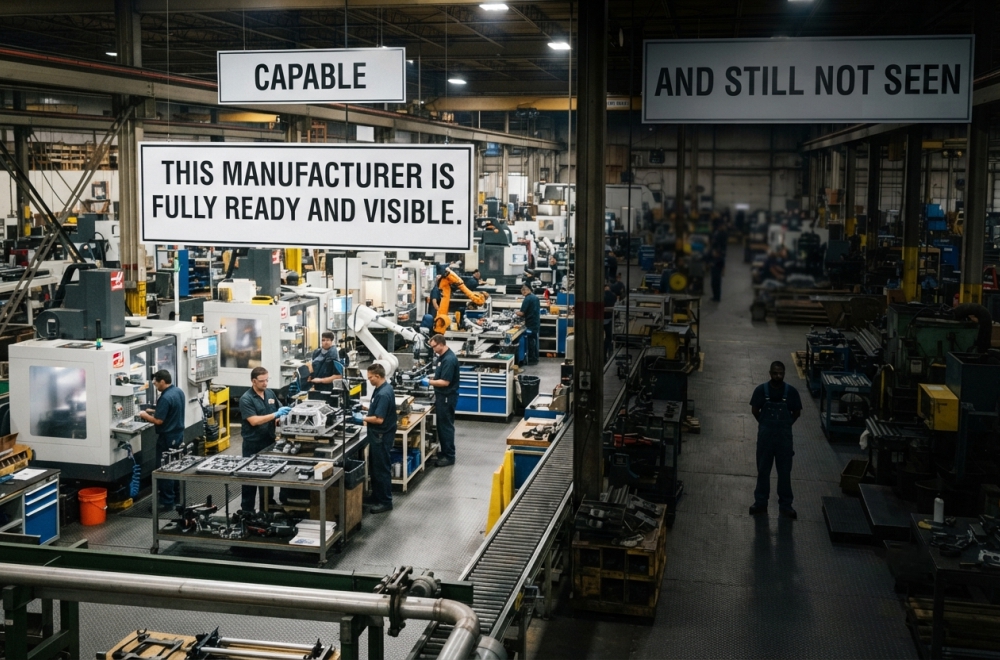
A company can be export-ready, technically strong and commercially capable and still remain invisible to the buyers who matter.

There may be a ceramic manufacturer somewhere in India today that can produce exactly what an international buyer needs.

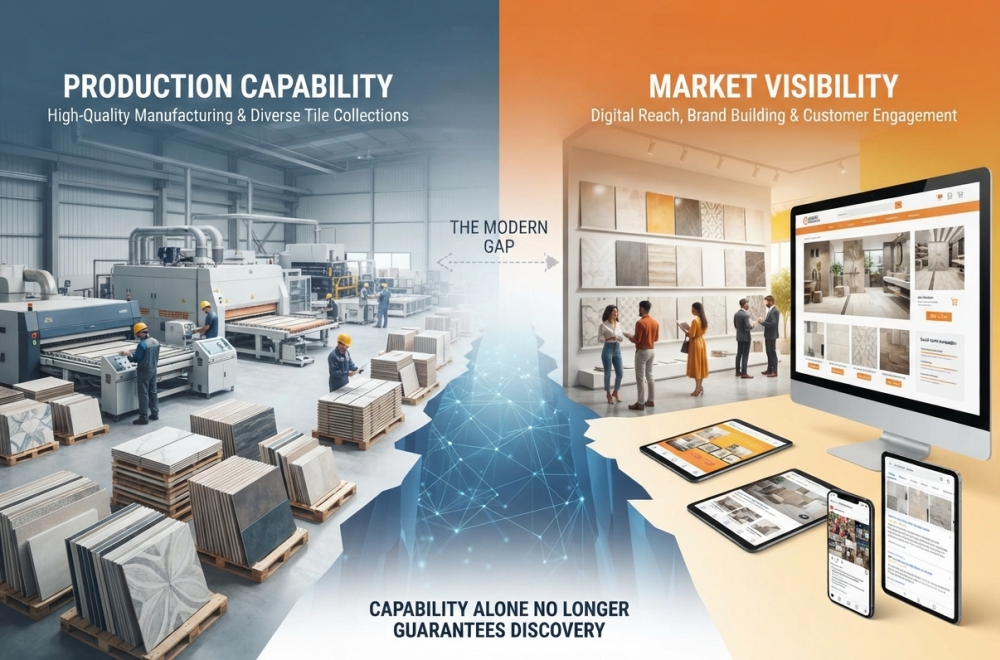
The factory is capable. The product is competitive. The quality is there. The export team is ready.

But the buyer may never know that company exists. And the manufacturer may never know that buyer was looking.

That is the invisible-manufacturer problem.

It is becoming one of the most interesting and least discussed challenges in global ceramic trade.

01

Being good is no longer enough

For years, ceramic manufacturers focused heavily on building capability: better products, better technology, more capacity, better quality, more export markets.

All of that still matters.

But global supply has become crowded. A buyer looking for a particular ceramic product may now have dozens or hundreds of potential suppliers.

The question is no longer simply:

Who can manufacture it?

It is:

Who will the buyer discover first?

That is where the competition increasingly begins.

Presence is not visibility

A manufacturer may have a website. It may exhibit internationally. It may publish catalogues. It may have a strong factory. It may even have years of export experience.

Yet none of that guarantees buyer discovery.

There is a difference between:
Being present  →  Being visible  →  Being discoverable  →  Being considered  →  Being selected

Most manufacturers think about the first step. The real opportunity lies much further down the chain.

A company does not need to be visible to everyone. It needs to be visible to the right buyer at the right moment.

02

The buyer’s shortlist is the real battlefield

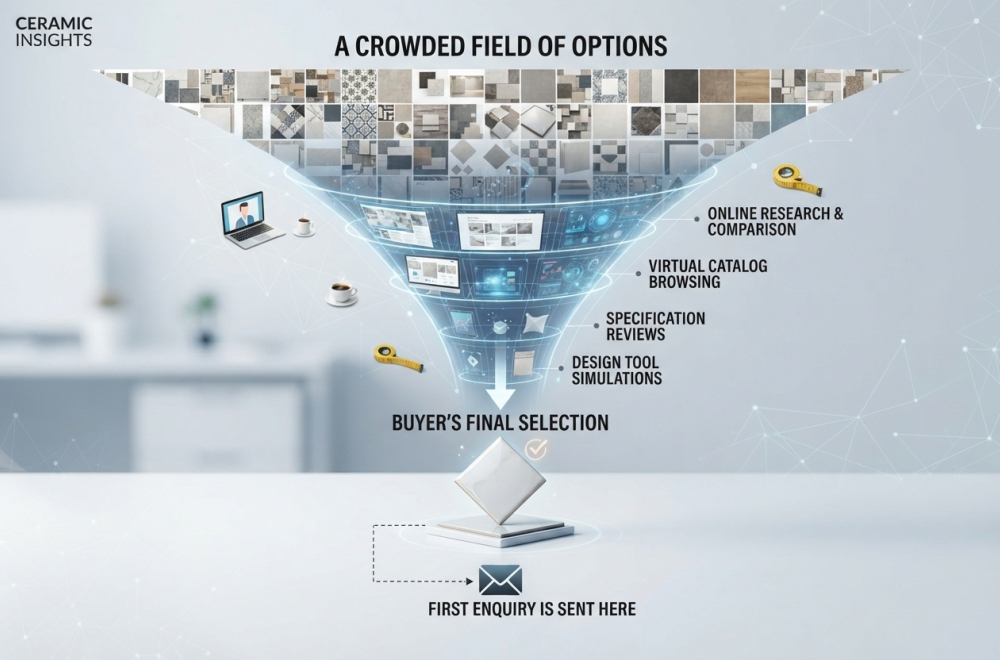
The order is not where competition starts. The shortlist is.

Before the quotation. Before the sample. Before negotiation. Before the factory visit.

A buyer first decides which suppliers are worth investigating. And that decision can happen long before the manufacturer ever receives an enquiry.

The supplier might be discovered through an exhibition, an industry publication, a professional network, a supplier directory, a digital search, a recommendation, a product listing, a market conversation.

By the time the buyer sends an enquiry, much of the competition has already disappeared.

If your company never entered the shortlist, your product never got a chance.

The exhibition doesn’t always begin at the exhibition

This is especially important in ceramics.

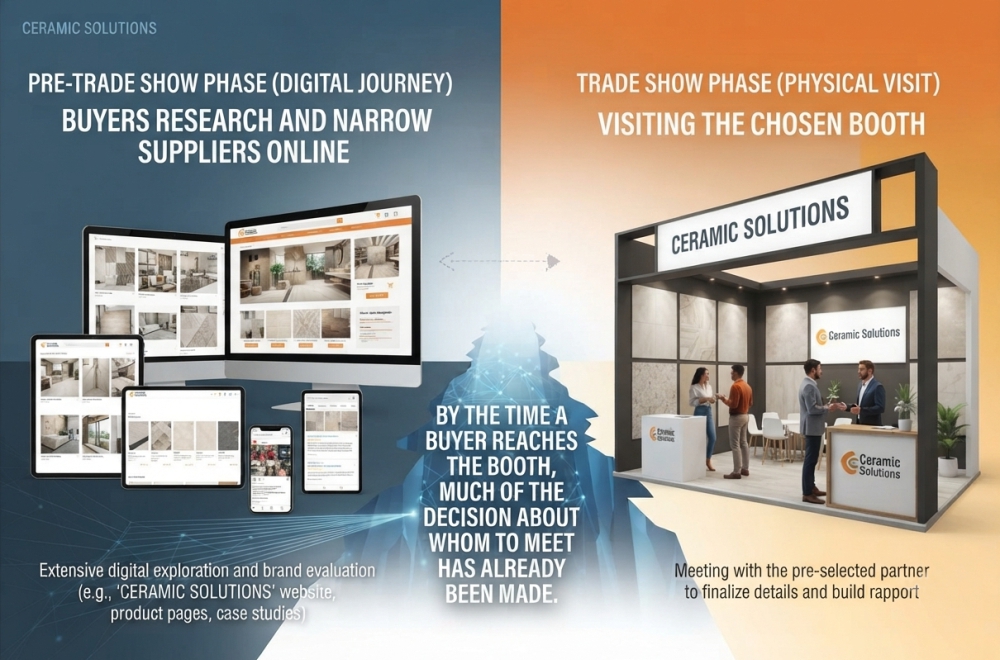
An international buyer visiting an exhibition may already know which companies they want to meet. They may have researched exhibitors, seen products, shortlisted manufacturers, scheduled meetings, asked colleagues for recommendations.

The exhibition hall is therefore not necessarily where discovery begins. It can be where prior visibility turns into a physical meeting.

Two manufacturers can stand in the same hall with equally impressive products. One gets the meeting. The other gets the footfall. The difference may have been created weeks or months earlier.

03
04

The invisible manufacturer is often a very good manufacturer

This is what makes the problem dangerous.

Invisible manufacturers are not necessarily weak companies. Many are established businesses with strong manufacturing capabilities, experienced teams, international certifications, competitive products, existing export markets, serious production capacity.

But their international visibility may still depend heavily on existing relationships and referrals.

That works—until the market changes. A distributor starts looking for alternatives. A new market opens. A buyer changes sourcing strategy. A competitor becomes more visible. A new generation of buyers enters the industry.

Suddenly, the old network is not enough. And the manufacturer discovers an uncomfortable truth:

The market knew the company because someone introduced it—not because the company was easy to discover.

The new export advantage: being discoverable

The next generation of ceramic exporters may think differently.

Instead of asking only “Where can we sell?”, they will increasingly ask “Where are buyers already looking?”

That means watching more than countries and trade statistics. It means paying attention to changing buyer requirements, emerging product categories, new sourcing markets, distributor activity, exhibition conversations, industry demand signals, supplier diversification, and where buyers are actually discovering manufacturers.

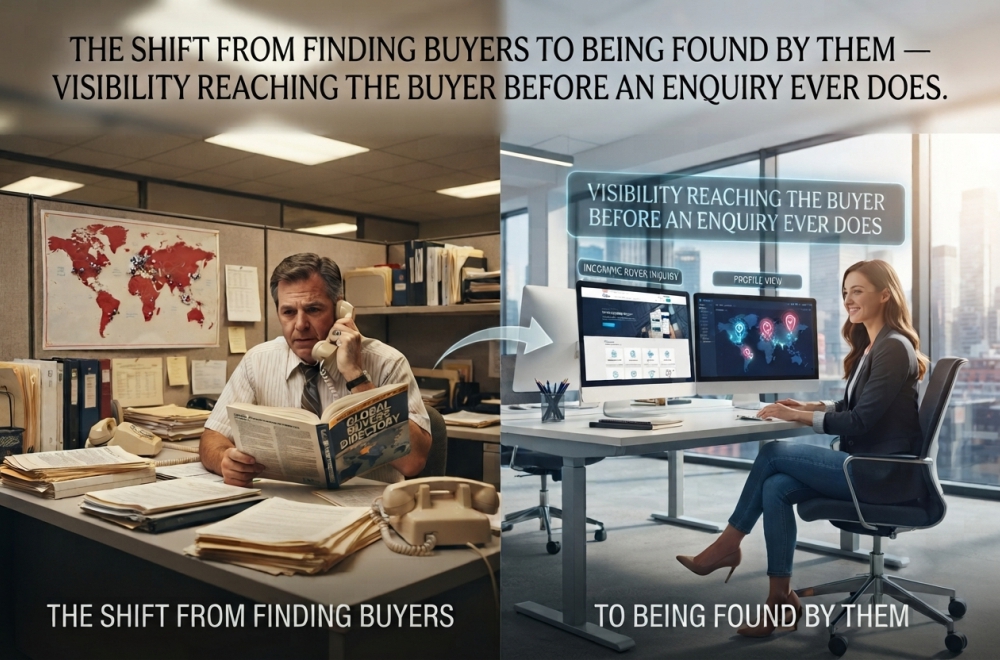
The shift is subtle but important. From finding buyers to being found by buyers.

05
06

Visibility compounds

One appearance rarely changes a business. But repeated, relevant visibility can.

A buyer sees a company at an exhibition. Later sees its product in an industry environment. Then encounters the company while researching suppliers. Then hears its name through another industry contact.

The company becomes familiar. Familiarity reduces uncertainty. And when the requirement finally appears, the manufacturer is no longer unknown — it is already somewhere in the buyer’s mental shortlist.

That is the real power of visibility. Not attention for its own sake—but recognition when commercial intent appears.

The uncomfortable question for ceramic manufacturers

A manufacturer may have a website. It may exhibit internationally. It may publish catalogues. It may have a strong factory. It may even have years of export experience.

Yet none of that guarantees buyer discovery.

If an international buyer is looking for exactly what we manufacture today, how likely are they to discover us?

That question can expose a very different kind of competitive gap. Because the next competitor you lose to may not have a better factory. They may not have a better product. They may simply have been easier for the buyer to find.

The global ceramic market does not have a shortage of manufacturers. It has a shortage of discoverable manufacturers.

And that distinction is becoming commercially important.

The invisible manufacturer does not necessarily lose because its product is weaker. It can lose much earlier—before the conversation ever begins.

Because before a buyer can compare your product, request your sample or negotiate your price, the buyer has to find you first.

And in the increasingly crowded world of global ceramics, being findable may become one of the most valuable forms of competitive advantage.