


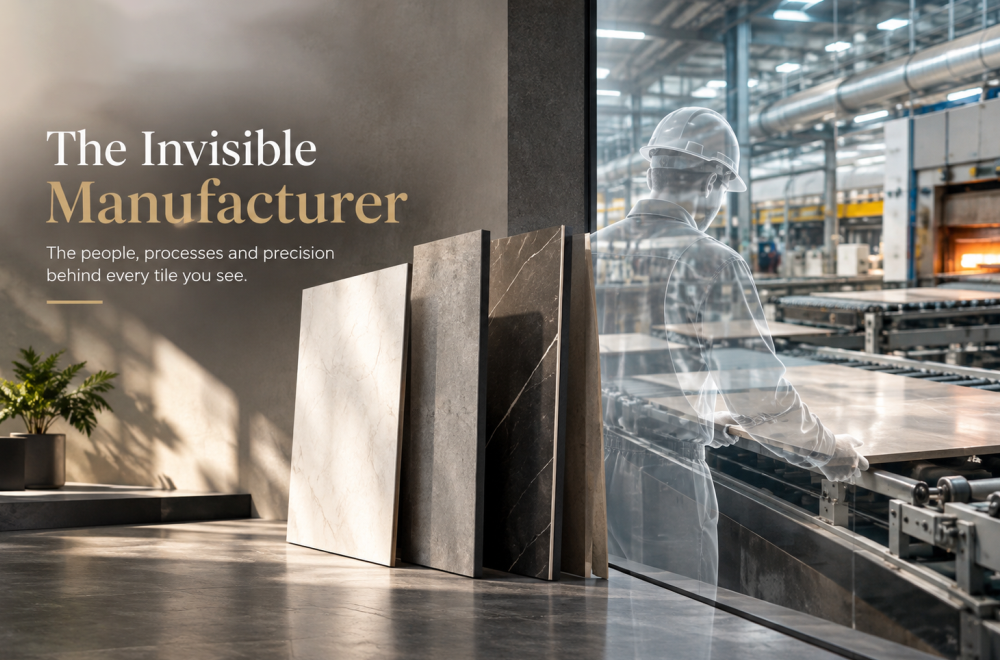


The recent reduction in tariffs on tile imports is expected to significantly boost exports to the United States, creating fresh growth opportunities for global tile manufacturers and exporters. Industry experts believe that lower duties will improve price competitiveness, strengthen trade relations, and increase demand from US buyers, positioning the tile sector for sustained expansion in one of the world’s largest construction markets.

Improved Competitiveness in a Key Market
The United States remains a crucial destination for tile imports due to its strong housing sector, commercial construction growth, and rising preference for high-quality, durable flooring solutions. With tariffs coming down, exporters will be able to offer more competitive pricing, making their products more attractive to American distributors, retailers, and project developers.
Lower tariffs are expected to reduce landed costs, allowing importers to diversify sourcing and increase order volumes. This development is particularly beneficial for exporters who were previously facing pricing pressure due to higher duties, logistics costs, and intense competition from domestic and alternative suppliers.
Positive Impact on Global Tile Industry
The tariff reduction is likely to have a ripple effect across the global tile value chain, including manufacturers, raw material suppliers, machinery providers, and logistics partners. Increased export activity will support higher production volumes, better capacity utilization, and improved margins for tile manufacturers targeting the US market.
Industry leaders anticipate that this policy shift will encourage exporters to invest in design innovation, quality enhancement, and sustainable manufacturing practices to meet evolving US standards and consumer preferences. As demand grows, exporters may also explore long-term partnerships with US buyers to ensure stable supply and market presence.
Opportunities for Emerging Export Markets
Emerging tile-producing regions stand to benefit significantly from the tariff relief. With improved access to the US market, exporters can expand their footprint beyond traditional destinations and tap into new customer segments, including large retail chains, real estate developers, and infrastructure projects.
The tariff reduction also enhances the appeal of premium and value-added tile products, such as large-format tiles, glazed vitrified tiles, and eco-friendly solutions. This trend aligns with the growing demand in the US for aesthetically appealing and performance-driven building materials.
Strengthening Trade Relations
Trade experts view the tariff cut as a positive step toward strengthening bilateral trade relations and promoting fair competition. By easing trade barriers, the move is expected to encourage smoother cross-border transactions, greater transparency, and improved supply chain efficiency.
For US importers, the policy change offers greater sourcing flexibility and cost advantages, while exporters gain improved market access and growth potential. This balanced outcome is expected to support long-term trade stability and mutual economic benefits.
Outlook for the Coming Months
Looking ahead, the tile industry remains optimistic about export growth to the United States. While global economic conditions and logistics challenges continue to influence trade dynamics, the tariff reduction provides a timely boost that could accelerate recovery and expansion in the sector.
Exporters are advised to closely monitor regulatory updates, maintain compliance with US quality and safety standards, and strengthen marketing and distribution strategies to fully leverage the opportunity. With the right approach, the tariff relief could serve as a catalyst for sustained growth and increased global competitiveness in the tile industry.
Conclusion
The reduction in tariffs marks a significant milestone for tile exporters targeting the US market. By lowering costs and improving competitiveness, the move opens the door to increased demand, stronger trade relationships, and long-term industry growth. As exporters align their strategies with evolving market needs, the US is set to remain a key driver of opportunity for the global tile sector.